
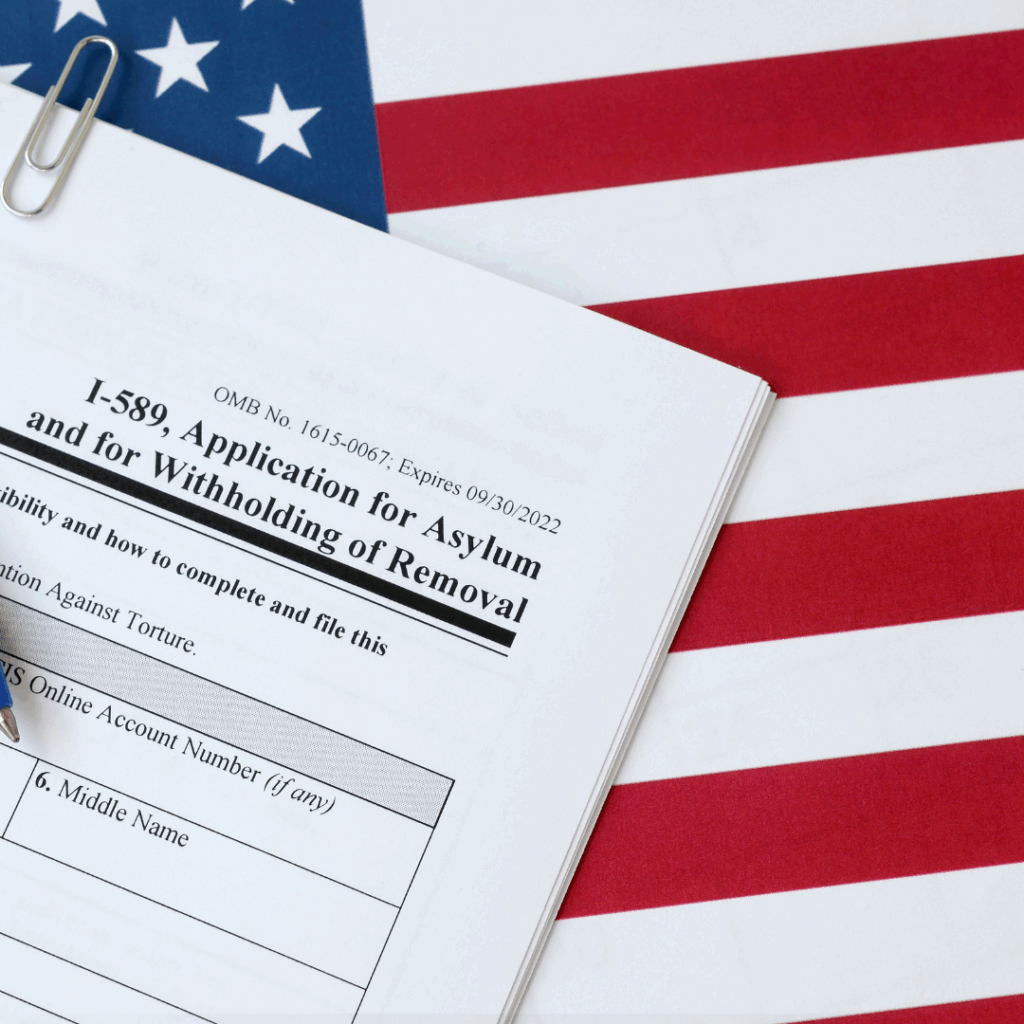
Seeking asylum in the United States can be one of the most challenging legal processes an individual faces. The complexity of immigration law, coupled with the high stakes involved, makes working with an experienced asylum attorney not just beneficial—it’s often essential for success. Whether you’re fleeing persecution, violence, or other life-threatening situations in your home country, understanding how to find and work with the right asylum attorney can make the difference between safety and deportation.
The asylum process involves intricate legal requirements, strict deadlines, and detailed documentation that can overwhelm even the most prepared applicant. Legal representation is the most significant predictor of asylum success. Data from the 2025 State of Immigration Report tells a compelling story: 83% of applicants in 2024 were represented by counsel. Of those, 53% were granted asylum and just under 47% were denied. This stark contrast in success rates demonstrates why choosing the right asylum attorney is crucial for your case.
This comprehensive guide will walk you through everything you need to know about asylum attorneys, from understanding their role to finding the right legal representation for your specific situation. We’ll explore the costs involved, what to expect during the process, and how to maximize your chances of success with proper legal guidance.
Understanding the Role of an Asylum Attorney
An asylum attorney specializes in immigration law with specific expertise in asylum and refugee protection cases. These legal professionals understand the nuances of persecution claims, the evidence required to support asylum applications, and the complex procedural requirements that applicants must navigate.
What Does an Asylum Attorney Do?
Asylum attorneys provide comprehensive legal services that go far beyond simply filling out forms. They serve as your advocate, advisor, and guide throughout the entire asylum process. Their primary responsibilities include conducting thorough case assessments to determine the strength of your asylum claim, helping gather and organize supporting evidence, preparing detailed legal briefs that articulate your case, and representing you in court proceedings before immigration judges.
The attorney’s role begins with understanding your unique circumstances and the persecution you’ve faced or fear facing in your home country. They’ll help you identify which of the five protected grounds—race, religion, nationality, political opinion, or membership in a particular social group—applies to your situation. This initial assessment is critical because asylum law requires that persecution be based on one of these specific categories.
Your asylum attorney will also help you navigate the one-year filing deadline, which requires most asylum seekers to file their application within one year of arrival in the United States. While exceptions exist for extraordinary circumstances, meeting this deadline is crucial, and attorneys know how to handle situations where the deadline has passed.
Types of Asylum Cases Attorneys Handle
Asylum attorneys work with a diverse range of cases, each presenting unique challenges and requiring specialized knowledge. Religious persecution cases often involve individuals who have been targeted for their faith or religious practices in countries where certain religions are suppressed or outlawed. Political persecution cases involve those who have been targeted for their political beliefs, activities, or opposition to government policies.
Gender-based persecution cases have become increasingly common, involving women who have faced or fear domestic violence, female genital mutilation, forced marriage, or other forms of gender-based violence that their home governments are unwilling or unable to prevent. LGBTI+ persecution cases involve individuals who face violence or discrimination based on their sexual orientation or gender identity in countries where such identities are criminalized or socially unacceptable.
Attorneys also handle cases involving persecution based on membership in particular social groups, which can include family members of those targeted for persecution, witnesses to crimes, former gang members seeking to leave criminal organizations, or individuals who have been trafficked.
The Current State of Asylum Law and Success Rates
Understanding the current landscape of asylum law helps potential clients make informed decisions about their legal representation. The latest case-by-case Court records for October 2024 show asylum grant rates had declined to just 35.8 percent. This decline in approval rates makes having experienced legal representation even more critical.
Factors Affecting Asylum Success Rates
Several factors influence the likelihood of asylum approval, and understanding these can help you and your attorney build the strongest possible case. The quality of legal representation stands out as the most significant factor. Represented applicants consistently achieve higher approval rates than those who appear pro se (representing themselves).
The immigration court where your case is heard also affects outcomes. Different courts have varying approval rates, with some judges being more favorable to asylum claims than others. Your attorney’s familiarity with local court procedures and individual judges can be advantageous in presenting your case effectively.
The country of origin plays a role in asylum decisions, as some countries have well-documented human rights issues that support asylum claims, while others may require more detailed evidence of individual persecution. Current political conditions and U.S. foreign policy relationships can also influence how claims from certain countries are evaluated.
The strength and credibility of your testimony is paramount. Immigration judges carefully evaluate the consistency, detail, and plausibility of your account. An experienced asylum attorney helps you prepare testimony that is both truthful and compelling, addressing potential credibility issues before they arise in court.
Recent Changes in Asylum Procedures
Asylum law and procedures continue to evolve, making it essential to work with attorneys who stay current with these changes. Recent years have seen modifications to asylum procedures, including changes to the one-year filing deadline exceptions, updates to particular social group definitions, and new guidance on credibility determinations.
Your asylum attorney should be well-versed in these recent developments and understand how they might affect your case. They should also be familiar with any circuit court decisions that might impact asylum law in your jurisdiction, as federal appellate courts sometimes issue decisions that affect how asylum law is interpreted and applied.
How to Find the Right Asylum Attorney
Finding the right asylum attorney requires careful research and consideration of multiple factors. The stakes are high, and the wrong choice could jeopardize your safety and future in the United States.
Research and Referral Sources
The National Immigration Legal Services Directory is a joint project of the Immigration Advocates Network and Pro Bono Net. This resource provides access to nonprofit organizations offering free or low-cost immigration legal services, which can be particularly valuable for asylum seekers with limited financial resources.
The Executive Office for Immigration Review (EOIR), Office of Policy, Public Resources Program (PRP) administers the List of Pro Bono Legal Service Providers or the “List.” The List is provided to individuals in immigration proceedings and contains information on non-profit organizations and attorneys who have committed to providing at least 50 hours per year of pro bono legal services before the immigration court location where they appear on the List.
Professional associations like the American Immigration Lawyers Association (AILA) maintain directories of qualified attorneys. AILA members must meet certain professional standards and continuing education requirements, making this a reliable source for finding experienced immigration attorneys.
Local bar associations often maintain referral services that can connect you with asylum attorneys in your area. Many state and local bar associations have immigration law sections that specialize in connecting clients with appropriate legal representation.
Community organizations and refugee resettlement agencies frequently work with asylum attorneys and can provide referrals based on their experience with different lawyers. These organizations often have insights into which attorneys have been most effective for asylum seekers from your country or with similar types of persecution claims.
Questions to Ask Potential Attorneys
When interviewing potential asylum attorneys, prepare specific questions that will help you evaluate their qualifications and approach to your case. Ask about their experience with asylum cases, specifically how many asylum cases they’ve handled and what their success rate has been. While past success doesn’t guarantee future results, it does indicate experience and competence.
Inquire about their familiarity with persecution issues from your country of origin. An attorney who has handled cases involving similar types of persecution or from your region may be better equipped to understand the specific challenges your case presents.
Ask about their approach to case preparation and how they’ll work with you to develop your testimony and gather supporting evidence. A good asylum attorney should be able to explain their process clearly and demonstrate that they understand the importance of thorough preparation.
Discuss their fee structure and what services are included in their representation. Make sure you understand exactly what you’ll be paying for and whether there might be additional costs for services like expert witnesses or document translation.
Red Flags to Avoid
Be cautious of attorneys who make unrealistic promises about your case outcome. No attorney can guarantee asylum approval, and those who make such promises may not be trustworthy. Similarly, be wary of attorneys who seem to have little time to discuss your case or who appear to be handling an excessive number of cases simultaneously.
Avoid attorneys who are not properly licensed to practice immigration law or who are not in good standing with their state bar association. You can verify an attorney’s credentials through your state bar association’s website.
Be cautious of anyone who is not an attorney but claims they can provide legal representation in asylum cases. While accredited representatives can provide some immigration services, complex asylum cases typically require the expertise of a licensed attorney.
Understanding Asylum Attorney Costs and Fee Structures
The cost of hiring an asylum attorney varies significantly based on several factors, including the attorney’s experience, the complexity of your case, and your geographic location. Understanding these costs upfront helps you budget appropriately and avoid surprises during the legal process.
Typical Fee Structures
Most asylum attorneys use one of two primary fee structures: flat fees or hourly rates. On average, asylum lawyers charge $2,500 to $4,000 for a flat fee, but this amount may vary. Some lawyers may offer lower rates, while others may charge more for complex cases or in high-cost metropolitan areas.
Flat fee arrangements are popular for asylum cases because they provide predictability for both the client and attorney. Under this structure, you pay a set amount that covers all work related to your asylum application, from initial consultation through the final hearing. This approach helps you budget for legal expenses and protects you from unexpected costs if your case takes longer than anticipated.
For an affirmative application, the attorney might charge a flat fee, with the reported average somewhere between $3,500 and $8,000. The wide range reflects differences in case complexity, attorney experience, and geographic location.
Hourly billing is less common for asylum cases but may be used for particularly complex matters or when the scope of work is unclear. Hourly rates typically range from $150 to $500, depending on the attorney’s experience and location. Urban attorneys generally charge higher rates than those in rural areas.
Factors Affecting Legal Costs
Several factors influence how much you’ll pay for asylum representation. Case complexity is a primary driver of costs. Simple cases with straightforward persecution claims and readily available evidence typically cost less than complex cases involving multiple family members, extensive documentary evidence, or novel legal theories.
The type of asylum proceeding also affects costs. Affirmative asylum applications filed with USCIS (when you’re not in removal proceedings) are generally less expensive than defensive asylum applications filed in immigration court. Defensive cases require more court appearances, extensive trial preparation, and often involve more complex legal arguments.
Geographic location significantly impacts attorney fees. Attorneys in major metropolitan areas like New York, Los Angeles, or Washington D.C. typically charge more than those in smaller cities or rural areas. However, the higher cost may be justified by greater experience with complex asylum cases and familiarity with local court procedures.
The attorney’s experience and reputation also influence pricing. Attorneys with extensive asylum experience and high success rates often charge premium rates, but their expertise may be worth the additional cost, especially for complex or challenging cases.
Additional Costs to Consider
Beyond attorney fees, asylum cases often involve additional costs that you should budget for. Document translation can be a significant expense, as all foreign-language documents must be translated into English and accompanied by translator certifications. Professional translation services typically charge per page, and costs can add up quickly for cases involving extensive documentation.
Expert witness fees may be necessary for certain types of cases. Country condition experts can provide testimony about persecution conditions in your home country, while medical or psychological experts can document the effects of trauma. These professionals typically charge hourly rates for their testimony and report preparation.
Court costs and filing fees are generally minimal for asylum cases, as there’s no government filing fee for asylum applications. However, you may incur costs for obtaining certified copies of court documents or other administrative expenses.
Travel expenses can be significant if you live far from your attorney’s office or the immigration court where your hearing will be held. Some attorneys offer remote consultations, but in-person meetings are often necessary for asylum cases.
The Asylum Application Process with Legal Representation
Working with an asylum attorney provides structure and guidance throughout the complex asylum application process. Understanding what to expect at each stage helps you prepare adequately and work effectively with your legal counsel.
Initial Consultation and Case Assessment
The process begins with a comprehensive consultation where your attorney evaluates the strength of your asylum claim. This initial meeting is crucial for both you and the attorney to determine whether you have a viable asylum case and whether you’re a good fit for working together.
During this consultation, your attorney will ask detailed questions about your background, the persecution you’ve experienced or fear, and your reasons for seeking asylum in the United States. Be prepared to discuss difficult and potentially traumatic experiences, as your attorney needs to understand the full scope of your situation to provide effective representation.
Your attorney will explain the asylum process, including timelines, requirements, and potential challenges specific to your case. They’ll discuss the one-year filing deadline and any exceptions that might apply to your situation. If you’ve missed the deadline, they’ll evaluate whether extraordinary circumstances or other exceptions might allow your case to proceed.
The attorney will also explain the difference between affirmative and defensive asylum applications. Affirmative applications are filed with USCIS when you’re not in removal proceedings, while defensive applications are filed as a defense against removal in immigration court proceedings.
Evidence Gathering and Documentation
Once you’ve retained an attorney, the next phase involves gathering evidence to support your asylum claim. This process is often extensive and requires careful attention to detail, as the quality of your evidence can significantly impact your case outcome.
Your attorney will help you identify what types of evidence are most relevant to your case. Personal testimony forms the foundation of most asylum claims, but supporting documentation strengthens your credibility and provides context for your experiences. This might include police reports, medical records, newspaper articles, human rights reports, and witness statements.
Country condition evidence is particularly important for asylum cases. Your attorney will help gather reports from the U.S. State Department, human rights organizations, and academic sources that document persecution conditions in your home country. This evidence helps establish that the persecution you experienced or fear is part of a broader pattern of persecution affecting similarly situated individuals.
Personal documents like identity cards, passports, birth certificates, and family photographs can help establish your identity and background. While original documents are preferred, your attorney can help you work with whatever documentation is available, including explaining any missing documents in your asylum application.
Preparing Your Testimony
Testimony preparation is one of the most critical aspects of asylum case preparation. Your personal testimony will be the centerpiece of your case, and how you present your story can significantly impact the outcome. Your attorney will work with you extensively to prepare clear, credible, and compelling testimony.
This preparation involves organizing your story chronologically and identifying the key events that support your asylum claim. Your attorney will help you focus on the most relevant details while ensuring your testimony addresses all legal requirements for asylum eligibility.
Practice sessions help you become comfortable discussing traumatic experiences in a legal setting. Your attorney will conduct mock interviews and prepare you for the types of questions you might face from the asylum officer or immigration judge. This preparation is particularly important because credibility is often the deciding factor in asylum cases.
Your attorney will also help you prepare for potential challenges to your credibility. This might involve addressing inconsistencies in your story, explaining gaps in your documentation, or discussing why you might not have sought protection in other countries during your journey to the United States.
Court Proceedings and Hearings
If your case involves defensive asylum (filed in immigration court), your attorney will represent you throughout the court proceedings. This representation includes attending all hearings, presenting evidence, examining witnesses, and making legal arguments on your behalf.
The court process typically begins with a master calendar hearing, where basic procedural matters are addressed and your case is scheduled for an individual hearing. Your attorney will handle all procedural requirements and ensure your case stays on track.
The individual hearing is where you’ll present your asylum claim in detail. Your attorney will present your case to the immigration judge, including your testimony and supporting evidence. They’ll also cross-examine any government witnesses and address any challenges raised by the government attorney.
Throughout the court process, your attorney serves as your advocate and guide. They’ll explain what’s happening at each stage, prepare you for what to expect, and ensure you understand your rights and options. Having experienced legal representation can significantly reduce the stress and confusion often associated with immigration court proceedings.
Pro Bono and Low-Cost Legal Options
Many asylum seekers have limited financial resources, making it challenging to afford private legal representation. Fortunately, several options exist for obtaining quality legal assistance at reduced or no cost.
Pro Bono Legal Services
Pro bono legal services provide free legal representation to asylum seekers who cannot afford private attorneys. The Asylum Seeker Advocacy Project (ASAP) is the largest community of asylum seekers in U.S. history. Becoming an ASAP member provides you with opportunities to: (1) access critical resources about the asylum process, (2) ask questions to expert immigration attorneys, and (3) work with other ASAP members to improve the asylum system.
Many large law firms maintain pro bono programs that include asylum representation. These programs often pair asylum seekers with experienced attorneys who volunteer their time to handle cases without charge. While these attorneys may not specialize exclusively in immigration law, they typically receive training and support from immigration law experts.
Nonprofit organizations across the country provide pro bono asylum representation. These organizations are often funded by grants and donations, allowing them to provide free services to eligible clients. Many specialize in serving specific populations, such as women fleeing domestic violence, LGBTI+ individuals, or asylum seekers from particular regions.
Law school clinics offer another source of pro bono representation. Students work under the supervision of experienced faculty members to provide legal services to asylum seekers. While students handle much of the day-to-day work, experienced attorneys oversee all aspects of the case to ensure quality representation.
Sliding Scale Fee Programs
Some attorneys and organizations offer sliding scale fee programs that adjust legal fees based on your ability to pay. These programs make legal representation more accessible to asylum seekers with limited incomes while still compensating attorneys for their work.
Sliding scale programs typically require documentation of your income and assets to determine the appropriate fee level. The reduced fees may still be substantial, but they’re often significantly lower than standard market rates for asylum representation.
These programs recognize that many asylum seekers are authorized to work in the United States and may have some income, but not enough to afford full market rates for legal representation. They provide a middle ground between pro bono services and private representation.
Nonprofit Legal Service Providers
Numerous nonprofit organizations specialize in providing immigration legal services, including asylum representation. NIJC keeps families together, frees people from the dangers of immigrant detention, and prevents asylum seekers from being deported based on unjust laws and illegal government actions.
These organizations often have staff attorneys who specialize in asylum law and handle large caseloads of asylum seekers. While they may not be able to provide the same level of individual attention as private attorneys, they offer experienced representation at no cost to eligible clients.
Many nonprofit organizations focus on serving specific populations or geographic areas. Some specialize in serving asylum seekers from particular countries or regions, while others focus on specific types of persecution, such as gender-based violence or religious persecution.
The application process for nonprofit representation often involves completing detailed intake forms and may include waiting lists for services. It’s important to apply as early as possible, as demand for these services often exceeds capacity.
Working Effectively with Your Asylum Attorney
Once you’ve selected and retained an asylum attorney, the success of your case depends largely on how effectively you work together. Building a strong attorney-client relationship based on trust, communication, and mutual respect is essential for achieving the best possible outcome.
Communication and Expectations
Clear communication forms the foundation of an effective attorney-client relationship. Your attorney should explain the asylum process in terms you can understand, including the potential challenges and realistic outcomes for your case. Don’t hesitate to ask questions if something isn’t clear – a good attorney will welcome your questions and provide thorough explanations.
Establish clear expectations about communication frequency and methods. Some attorneys prefer email communication, while others prefer phone calls or in-person meetings. Understand how quickly you can expect responses to your questions and what constitutes an emergency that requires immediate attention.
Be honest and thorough in all communications with your attorney. Attorney-client privilege protects your communications, so you can speak freely about sensitive topics without fear that the information will be shared inappropriately. The more information your attorney has, the better they can represent your interests.
Keep your attorney informed of any changes in your circumstances, including changes in address, employment, or family situation. Also inform them immediately if you receive any communications from immigration authorities or law enforcement agencies.
Preparing for Meetings and Hearings
Preparation is key to making the most of your time with your attorney and ensuring your case proceeds smoothly. Before meetings, organize any documents or information your attorney has requested. If you don’t have certain documents, be prepared to explain why they’re unavailable and what efforts you’ve made to obtain them.
Keep a written record of events related to your persecution, including dates, locations, and people involved. This timeline will help your attorney understand your story and identify any gaps or inconsistencies that need to be addressed.
Prepare questions in advance of meetings with your attorney. Write them down so you don’t forget to ask important questions during your appointment. This approach makes meetings more productive and ensures you get the information you need.
For court hearings, follow your attorney’s instructions carefully regarding what to wear, when to arrive, and how to behave in court. Immigration court is a formal setting, and your appearance and demeanor can influence how the judge perceives your credibility.
Understanding Your Role in the Process
While your attorney handles the legal aspects of your case, you play a crucial role in its success. Your primary responsibility is to be truthful in all aspects of your case. Credibility is often the deciding factor in asylum cases, and any dishonesty can severely damage your chances of success.
You’re also responsible for providing all relevant information and documentation to your attorney. This includes not only documents that support your case but also any information that might be harmful or challenging to address. Your attorney needs to know about potential problems so they can develop strategies to address them.
Attend all scheduled appointments and court hearings unless you have an emergency that prevents your attendance. If you can’t attend a scheduled appointment, notify your attorney as soon as possible so they can reschedule or make alternative arrangements.
Follow your attorney’s advice regarding your case strategy and presentation. While the final decisions are yours to make, your attorney’s professional judgment is based on experience and knowledge of asylum law that you may not possess.
Special Considerations for Vulnerable Populations
Certain groups of asylum seekers face unique challenges that require specialized legal expertise and sensitivity. Understanding these special considerations helps ensure that vulnerable asylum seekers receive appropriate representation and support.
Women and Gender-Based Persecution
Women fleeing gender-based persecution often face unique challenges in asylum cases. These cases may involve domestic violence, female genital mutilation, forced marriage, honor violence, or other forms of persecution specifically targeting women. Asylum attorneys handling these cases need specialized knowledge of how gender-based persecution fits within asylum law’s protected grounds.
The legal landscape for gender-based asylum claims has evolved significantly in recent years. Attorneys must stay current with changes in how immigration courts interpret “particular social group” claims based on gender, as well as recent guidance on domestic violence-based asylum claims.
Women asylum seekers may also face cultural barriers that make it difficult to discuss intimate details of their persecution. Attorneys working with this population should be sensitive to these cultural considerations and create safe environments where women can share their experiences comfortably.
Documentation challenges are common in gender-based persecution cases, as these crimes often occur in private settings without witnesses or official documentation. Attorneys must be creative in developing evidence strategies that rely on medical records, expert testimony, and country condition evidence to support their clients’ claims.
LGBTI+ Asylum Seekers
LGBTI+ asylum seekers face persecution based on their sexual orientation or gender identity in countries where these identities are criminalized or socially stigmatized. These cases require attorneys who understand both the legal aspects of sexual orientation and gender identity-based asylum claims and the cultural sensitivity needed to work with LGBTI+ clients.
Proving sexual orientation or gender identity in asylum cases can be challenging, as these are inherent characteristics that may not be immediately apparent. Attorneys must help clients develop credible testimony while avoiding stereotypes or assumptions about how LGBTI+ individuals should look or behave.
Country condition evidence is particularly important in LGBTI+ asylum cases. Attorneys must document not only legal persecution but also social discrimination and violence that LGBTI+ individuals face in their home countries. This evidence often comes from human rights organizations, academic studies, and news reports documenting anti-LGBTI+ violence and discrimination.
Many LGBTI+ asylum seekers have experienced rejection from their families and communities, making it difficult to obtain supporting documentation or witness testimony. Attorneys must develop alternative evidence strategies that don’t rely on family support or traditional community ties.
Unaccompanied Minors
Unaccompanied minors seeking asylum face unique procedural and substantive challenges that require specialized legal expertise. These young asylum seekers need attorneys who understand both immigration law and child development, as well as the trauma that many of these children have experienced.
The asylum process can be particularly challenging for children, who may have difficulty articulating their experiences or understanding complex legal concepts. Attorneys must adapt their communication style and case preparation methods to work effectively with child clients.
Special procedural protections exist for unaccompanied minors in immigration proceedings, including the right to interpreters, child-friendly court procedures, and additional time to prepare their cases. Attorneys must be familiar with these protections and ensure they’re properly implemented.
Unaccompanied minors often have complex cases involving family reunification issues, educational needs, and social services coordination. Attorneys may need to work with social workers, school officials, and other professionals to address their clients’ comprehensive needs while pursuing their asylum cases.
Torture Survivors
Asylum seekers who have survived torture require attorneys with specialized knowledge of both the legal standards for torture-based protection and the psychological effects of torture. These cases often involve claims under both asylum law and the Convention Against Torture (CAT), each with different legal standards and requirements.
Medical and psychological evidence is crucial in torture survivor cases. Attorneys must work with medical professionals who can document the physical and psychological effects of torture and provide expert testimony about their findings. This evidence not only supports the asylum claim but also helps establish the credibility of the asylum seeker’s testimony.
Torture survivors may have difficulty testifying about their experiences due to trauma-related memory issues or psychological symptoms. Attorneys must be patient and understanding while helping their clients prepare testimony that accurately conveys their experiences without retraumatizing them.
These cases often involve detailed country condition evidence about torture practices in the asylum seeker’s home country. Attorneys must be thorough in documenting systematic torture practices and showing how their client’s experience fits within broader patterns of persecution.
Common Challenges and How Attorneys Address Them
Asylum cases present numerous challenges that can affect the outcome of applications. Experienced asylum attorneys develop strategies to address these common issues and maximize their clients’ chances of success.
Credibility Issues
Credibility challenges are among the most common obstacles in asylum cases. Immigration judges and asylum officers carefully scrutinize asylum seekers’ testimony for consistency, plausibility, and detail. Minor inconsistencies or gaps in testimony can raise credibility concerns that jeopardize the entire case.
Attorneys address credibility issues through thorough case preparation and careful attention to detail in testimony development. They work with clients to identify potential inconsistencies and develop explanations for any discrepancies that arise from trauma, cultural differences, or translation issues.
Corroborating evidence becomes crucial when credibility is questioned. Attorneys gather medical records, psychological evaluations, witness statements, and country condition evidence that supports their client’s testimony. This evidence can help rehabilitate credibility even when testimony alone might not be sufficient.
Attorneys also prepare clients for aggressive cross-examination that may challenge their credibility. This preparation includes practice sessions that simulate the types of questions asylum seekers might face and strategies for maintaining composure under pressure.
One-Year Filing Deadline
The one-year filing deadline requires most asylum seekers to file their applications within one year of arrival in the United States. This deadline creates significant challenges for asylum seekers who may not understand the requirement or who may have valid reasons for delayed filing.
Attorneys help clients navigate this deadline by carefully documenting the circumstances surrounding their arrival and any factors that might justify late filing. Extraordinary circumstances that excuse late filing include serious illness, mental health issues, legal disability, ineffective assistance of counsel, and other factors beyond the asylum seeker’s control.
Changed circumstances can also excuse late filing when conditions in the asylum seeker’s home country have worsened since their arrival, creating new grounds for persecution. Attorneys must carefully document these changed circumstances and explain how they affect their client’s asylum claim.
When the deadline has been missed without clear extraordinary circumstances, attorneys may explore other forms of relief, such as withholding of removal or protection under the Convention Against Torture, which don’t have the same filing deadline requirements.
Language and Cultural Barriers
Language barriers can significantly impact asylum cases, affecting everything from initial client interviews to court testimony. Attorneys must ensure effective communication with their clients while also helping them prepare for testimony that will be given through interpreters.
Cultural differences can also create challenges in asylum cases. Practices or experiences that are significant in the asylum seeker’s culture may not be immediately understood by American immigration officials. Attorneys must bridge these cultural gaps by providing context and explanation that helps decision-makers understand their client’s experiences.
Working with interpreters is a crucial skill for asylum attorneys. They must ensure that interpreters are qualified, impartial, and able to accurately convey not just words but also cultural concepts and emotional content. This is particularly important in court proceedings where interpretation errors can have serious consequences.
Attorneys also help clients understand American legal culture and expectations for court behavior. This includes explaining the importance of direct eye contact, clear verbal responses, and appropriate court attire – behaviors that may be culturally unfamiliar but important for creating positive impressions with decision-makers.
Documentation Challenges
Many asylum seekers arrive in the United States with limited documentation, having fled their home countries under dangerous circumstances that didn’t allow for careful document preparation. This lack of documentation can create significant challenges in proving identity, establishing country conditions, or corroborating persecution experiences.
Attorneys develop creative strategies for addressing documentation gaps. This might involve obtaining documents from family members or friends in the home country, working with human rights organizations to verify events, or using alternative forms of evidence like news reports or academic studies.
When documents are available but in foreign languages, attorneys ensure proper translation and certification. All foreign-language documents must be translated into English by qualified translators, and the translations must be certified as accurate and complete.
Attorneys also help clients understand which documents are most important for their cases and prioritize efforts to obtain the most crucial evidence. This strategic approach ensures that limited resources are used effectively to gather the evidence that will have the greatest impact on the case outcome.
The Future of Asylum Law and Practice
The field of asylum law continues to evolve, influenced by changing political landscapes, court decisions, and global events that create new populations of asylum seekers. Understanding these trends helps both attorneys and asylum seekers prepare for future challenges and opportunities.
Emerging Trends in Asylum Law
Climate change is creating new categories of displacement that challenge traditional asylum frameworks. While environmental factors alone don’t currently qualify for asylum protection, attorneys are developing arguments that link environmental changes to persecution based on protected grounds, such as political opinion or particular social group membership.
Technology is increasingly important in both persecution and evidence gathering. Social media evidence, digital communications, and online activities are becoming more common in asylum cases, requiring attorneys to develop new expertise in handling digital evidence while also understanding how technology can be used for surveillance and persecution.
Gender-based persecution claims continue to evolve, with courts and administrative agencies providing new guidance on how domestic violence and other gender-based harms fit within asylum law’s framework. Attorneys must stay current with these developments to effectively represent women fleeing gender-based persecution.
Mental health considerations are receiving increased attention in asylum cases. Courts are becoming more aware of how trauma affects testimony and memory, leading to new approaches in evaluating credibility and assessing persecution claims from torture survivors and others who have experienced severe trauma.
Challenges Facing the System
The immigration court system faces significant backlogs, with asylum cases often waiting years for resolution. This delay creates challenges for both asylum seekers and their attorneys, as extended uncertainty takes a psychological toll and evidence may become stale over time.
Attorneys must adapt their practices to manage these delays effectively while keeping their clients informed and engaged throughout lengthy proceedings. This may involve regular check-ins, updates on case status, and assistance with work authorization renewals and other practical matters.
The quality of legal representation varies significantly across the asylum system, with some asylum seekers receiving excellent representation while others receive inadequate assistance. Efforts to improve training and resources for asylum attorneys are ongoing, but disparities remain a significant challenge.
Political changes continue to affect asylum law and policy, with new administrations often implementing different approaches to asylum adjudication. Attorneys must stay current with these policy changes and understand how they affect their clients’ cases.
Technological Advances in Asylum Practice
Technology is transforming how attorneys practice asylum law, from case management systems that help organize complex cases to video conferencing that enables remote client consultations and court proceedings. These advances can make legal representation more efficient and accessible.
Digital evidence tools are becoming more sophisticated, allowing attorneys to better organize and present evidence from social media, news reports, and other online sources. These tools also help attorneys verify the authenticity of digital evidence and present it effectively in court proceedings.
Translation technology is improving, though human translators remain essential for legal proceedings. Technology can assist with initial document review and basic communication, but the nuances of legal terminology and cultural concepts still require human expertise.
Artificial intelligence and machine learning tools are beginning to assist with legal research and case analysis, helping attorneys identify relevant case law and legal precedents more efficiently. However, these tools supplement rather than replace human legal expertise and judgment.
***
Navigating the asylum process in the United States requires not only courage and determination but also skilled legal representation that understands the complexities of immigration law and the unique challenges facing asylum seekers. An experienced asylum attorney serves as more than just a legal representative – they become your advocate, guide, and source of hope during one of the most challenging periods of your life.
The statistics make clear that legal representation significantly improves your chances of asylum approval, with represented applicants achieving much higher success rates than those who attempt to navigate the system alone. This disparity reflects not only the complexity of asylum law but also the importance of having someone who understands how to present your story effectively, gather supporting evidence, and address the various challenges that arise during the asylum process.
Choosing the right asylum attorney requires careful research and consideration of factors including experience, communication style, fee structure, and cultural sensitivity. Whether you work with a private attorney, access pro bono services, or receive representation from a nonprofit organization, the key is finding someone who understands your unique circumstances and has the expertise to present your case effectively.
The asylum process involves numerous steps, from initial consultation and evidence gathering through court proceedings and final adjudication. Each stage presents its own challenges and opportunities, making it essential to work with an attorney who can guide you through the entire process while keeping you informed and prepared for what lies ahead.
Remember that your role in the process is equally important. Being honest with your attorney, providing complete information, attending all appointments, and following legal advice all contribute to the success of your case. The attorney-client relationship works best when built on trust, communication, and mutual respect.
For vulnerable populations including women fleeing gender-based persecution, LGBTI+ individuals, unaccompanied minors, and torture survivors, specialized expertise becomes even more critical. These cases often involve unique legal challenges and require attorneys who understand both the relevant law and the cultural sensitivity needed to work effectively with these populations.
Common challenges like credibility issues, filing deadlines, language barriers, and documentation problems can be successfully addressed with proper legal representation. Experienced asylum attorneys have developed strategies for handling these challenges and can help you navigate them effectively.
The field of asylum law continues to evolve, with new trends emerging around climate displacement, technology’s role in persecution and evidence, and evolving understanding of gender-based persecution. Staying current with these developments requires ongoing education and adaptation by asylum attorneys.
As you begin or continue your asylum journey, remember that seeking legal representation is not just a practical necessity – it’s an investment in your safety, your future, and your family’s wellbeing. The challenges you face are significant, but with proper legal guidance, many asylum seekers successfully obtain protection in the United States and build new lives free from persecution.
Your asylum attorney will be your partner in this process, working to ensure that your voice is heard, your story is told effectively, and your rights are protected throughout the proceedings. Take the time to find the right legal representation for your situation, and don’t hesitate to ask questions or seek help when you need it.
The path to asylum protection may be complex and challenging, but you don’t have to walk it alone. With the right asylum attorney by your side, you can navigate this process with confidence and hope for a better future.
Frequently Asked Questions About Asylum Attorneys
How much does an asylum attorney typically cost?
Most asylum attorneys charge between $2,500 and $8,000 for a complete case, with the average falling around $3,500 to $4,000. The cost varies based on case complexity, attorney experience, and geographic location. Urban attorneys typically charge more than those in rural areas. Some attorneys offer payment plans or sliding scale fees based on your ability to pay.
Can I apply for asylum without an attorney?
While you have the legal right to represent yourself in asylum proceedings, it’s strongly discouraged. Statistics show that represented applicants have much higher success rates than those who appear pro se. The asylum process involves complex legal requirements, strict deadlines, and detailed procedural rules that are difficult to navigate without legal expertise.
How long does the asylum process take with an attorney?
The timeline varies significantly depending on whether you file an affirmative or defensive asylum application. Affirmative cases filed with USCIS typically take 6-12 months, while defensive cases in immigration court can take several years due to court backlogs. Your attorney can provide more specific timelines based on your situation and local court conditions.
What should I bring to my first meeting with an asylum attorney?
Bring any documents related to your identity, persecution experiences, and time in the United States. This includes passports, identity documents, police reports, medical records, photographs, and any correspondence with immigration authorities. Also bring a written timeline of events related to your persecution and any questions you want to ask the attorney.
Can an asylum attorney help if I missed the one-year filing deadline?
Yes, experienced asylum attorneys can help determine if exceptions to the one-year deadline apply to your case. Extraordinary circumstances like serious illness, mental health issues, or ineffective legal counsel can excuse late filing. Even if exceptions don’t apply, your attorney may explore other forms of protection like withholding of removal or Convention Against Torture protection.
Legal Disclaimer: This article is provided for informational purposes only and does not constitute legal advice. Immigration law is complex and constantly changing, and each case has unique circumstances that require individual analysis. The information contained in this article should not be relied upon as a substitute for professional legal counsel. Always consult with a qualified immigration attorney licensed in your jurisdiction for advice regarding your specific situation. The authors and publishers of this article make no representations or warranties regarding the accuracy, completeness, or timeliness of the information provided and disclaim any liability for actions taken based on the content herein.